

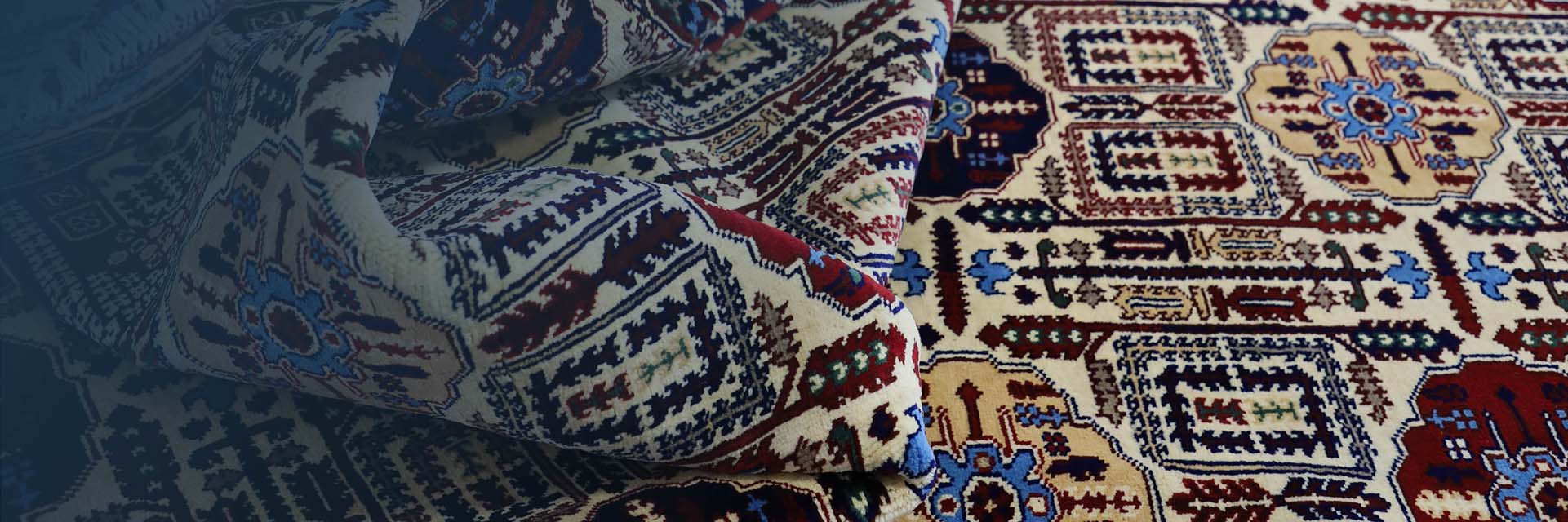
Afghan Handwoven Carpets: Art and History
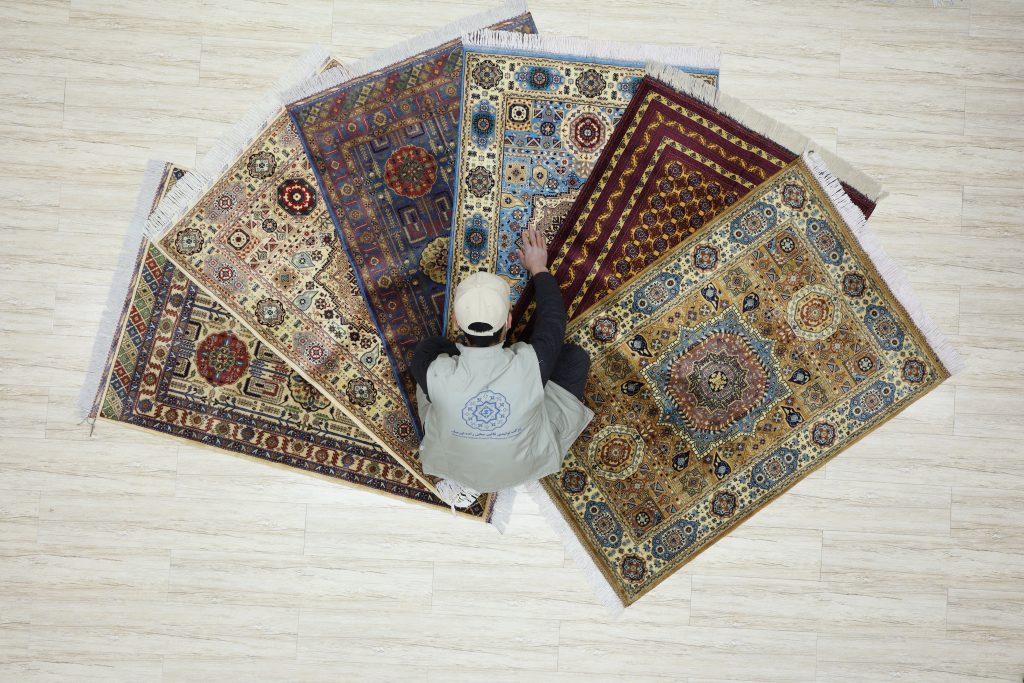
Introduction
Afghan handwoven carpets are recognized as one of the cultural and artistic symbols of Afghanistan. These carpets are not only unique in their beauty and design but also carry a rich history and cultural significance. In this article, we will explore the history, types, features, and importance of Afghan handwoven carpets.
History of Afghan Handwoven Carpets
The history of carpet weaving in Afghanistan dates back centuries. This art form has its roots in ancient times, particularly during the great empires such as the Achaemenid and Sasanian Empires. Carpet weaving has been passed down through families and tribes as a traditional craft, with each region showcasing its own weaving styles and patterns.
Throughout history, Afghan carpets have been influenced by various cultures and civilizations. Weaving carpets serves as a source of income for many families in Afghanistan, especially in rural areas, where this craft is considered a primary occupation.
Types of Afghan Carpets
Afghan handwoven carpets can be broadly categorized into two main types:
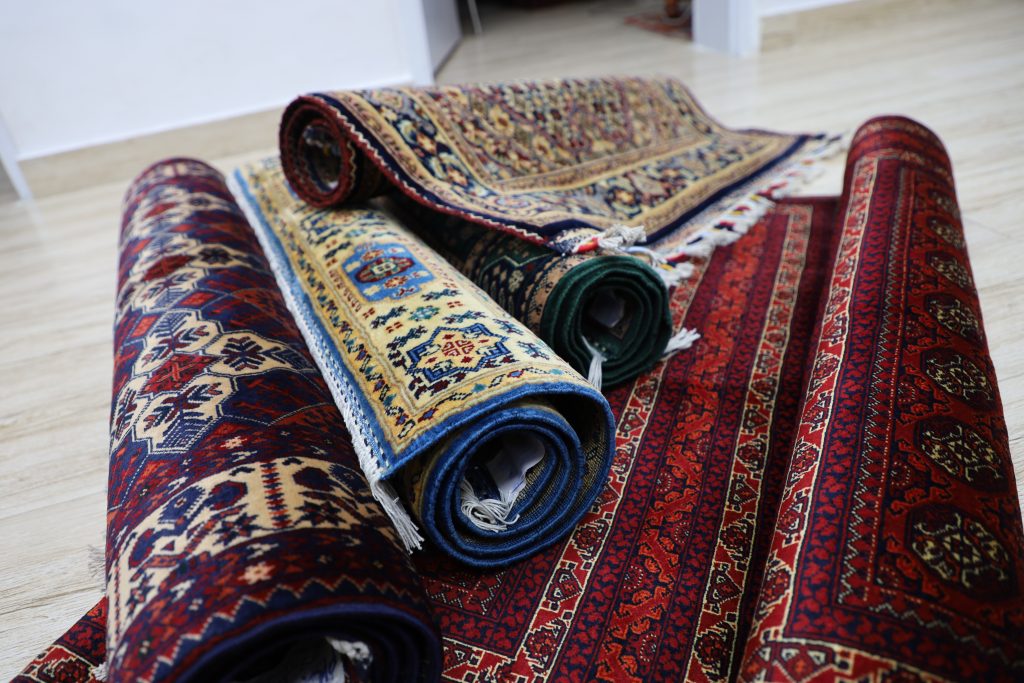
- Wool Carpets: These carpets are typically woven from natural fibers like wool and cotton. Wool carpets are popular for their durability and quality, often featuring intricate designs and vibrant colors.
- Cotton Carpets: This type of carpet is usually softer and made from cotton fibers. Cotton carpets are favored for their comfort and are often produced in simpler designs with mild colors.
Features of Afghan Handwoven Carpets
- Design and Patterns: Afghan carpets often feature geometric and natural patterns, each representing specific cultural and social symbols. These designs are typically inspired by nature, daily life, and local stories.
- Colors: The use of natural and vibrant colors in carpet weaving is a prominent feature. Colors are usually derived from natural sources such as plants and minerals.
- Quality and Durability: Afghan handwoven carpets are known for their high quality due to the use of natural fibers and traditional weaving methods, allowing them to last for many years.
Cultural and Economic Importance
Afghan handwoven carpets hold significance not only as an art form but also as a source of income for many families in Afghanistan. Carpet weaving as a traditional occupation helps preserve local culture and identity while contributing to the economic development of rural areas.
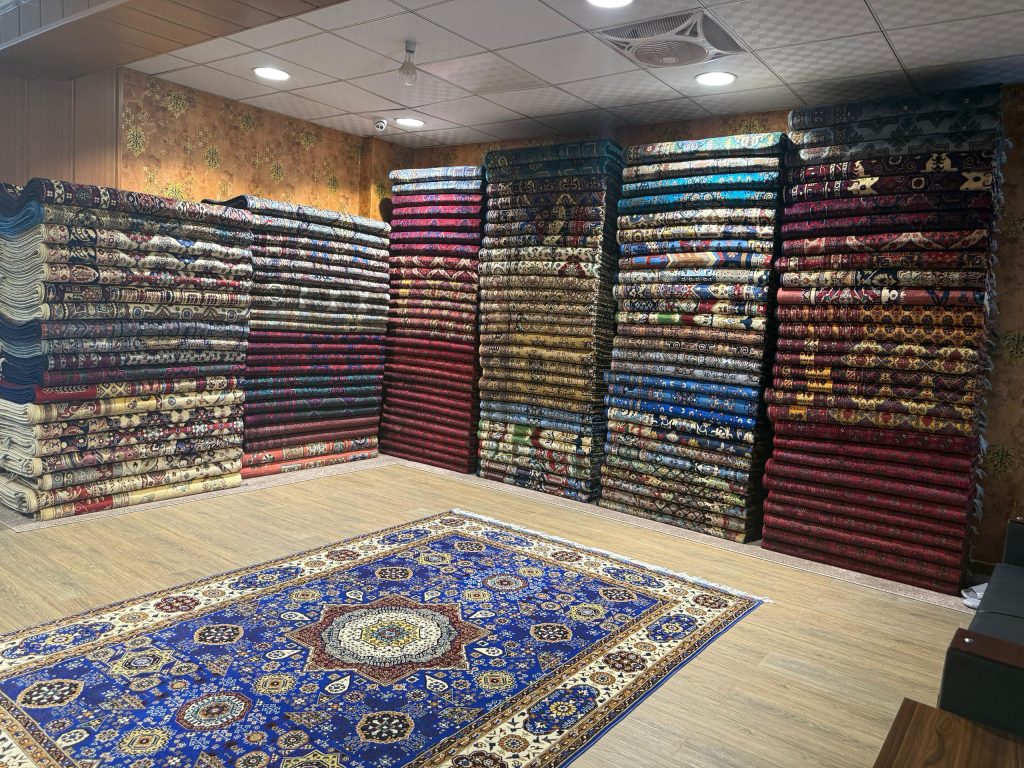
Moreover, Afghan carpets are recognized as artistic works in global markets, and their export to various countries helps increase Afghanistan’s national income. These carpets are often showcased in international exhibitions and festivals as symbols of Afghan culture and history.
Conclusion
Afghan handwoven carpets are not only beautiful and unique works of art but also represent the history, culture, and identity of the Afghan people. The craft of weaving these carpets, as both an occupation and an art form, contributes to the preservation and promotion of local culture, while also aiding in the economic development of the country. Given the artistic and economic value of Afghan carpets, it is essential to preserve and support this craft so that future generations can also enjoy the beauty and richness of this art form.
